Sales Hotline : +65 6749 1911
Services Hotline : +65 8298 5030
Sales Hotline : +65 6749 1911
Services Hotline : +65 8298 5030
A supermarket or mini mart should make shopping simple and convenient. Customers want to enter the store, find what they need and make a choice without unnecessary delays. Chilled products can make this more challenging because they require the right temperature, clear product placement and easy access.
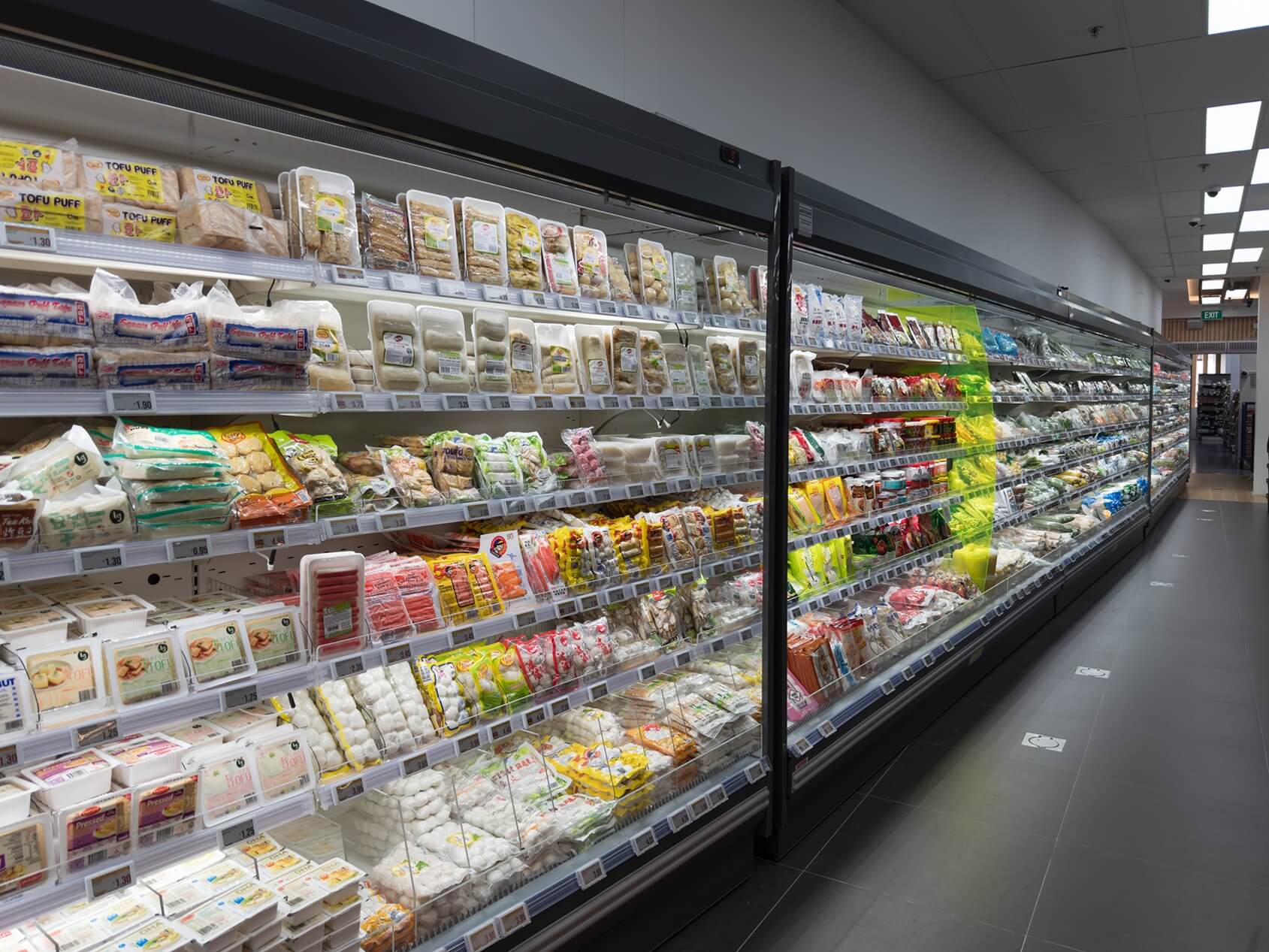
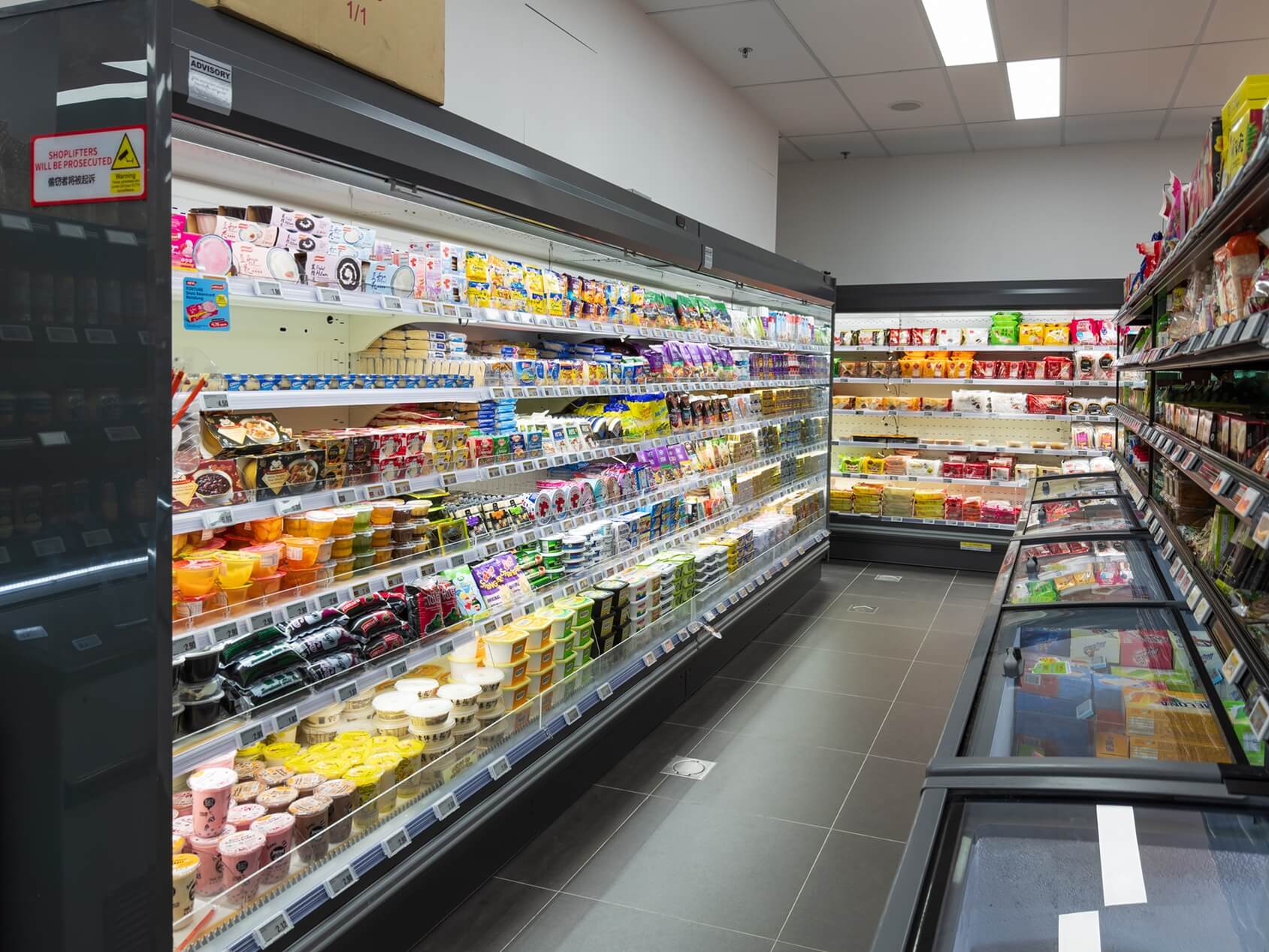
Display fridges bring these needs together. They keep food and drinks cold while placing products where shoppers can see them. A glass-door display refrigerator can store milk, yoghurt, juice, desserts, sandwiches and other chilled goods, allowing customers to view the products before opening the door.
Drinks require the same level of care. A beverage display chiller keeps bottles and cans cold while arranging them in neat rows. This setup can help a shop turn refrigerated space into useful selling space.
Chilled food needs a stable environment. Milk, dairy products, desserts, salads and ready meals may lose quality when their temperature rises. A display fridge provides these products with the cold storage space they need.
Proper refrigeration also helps stores maintain product quality. Customers expect chilled food to look fresh when they select it from a shelf. Poor storage conditions can affect texture, taste and appearance.
A glass-door display refrigerator offers another practical benefit. Staff and shoppers can view the contents through the door without opening it simply to check what is inside.
This can help stores:
Good storage can build customer confidence. When shoppers see clean shelves and well-maintained products, they may feel more comfortable making a purchase.
Visibility plays an important role in retail. Customers cannot choose a product easily if they cannot find it.
Display fridges address this issue by placing chilled goods in clear view. Glass panels allow shoppers to scan the shelves before reaching for a product. Internal lighting can also help labels, packaging and product categories stand out.
Traditional cold storage keeps products out of sight. A display fridge performs two functions at once: it stores goods at a suitable temperature and presents them to shoppers.
A beverage display chiller works well near areas where customers may want a quick drink. Bottled water, soft drinks, juices and other cold beverages can be arranged in clear rows.
This layout may catch the attention of shoppers who did not initially plan to buy a drink. In this way, a fridge can encourage product discovery while still serving its main purpose as cold storage.
Many shoppers prefer to complete their trip quickly. This is especially important in mini marts, convenience stores and busy supermarkets.
Clear fridge doors can shorten the search process. A shopper can look through the glass, identify the right item, open the door and take it.
Consider a customer looking for milk. If products are stored behind a solid door, the customer may need to open several sections. With a glass-door display refrigerator, the shopper can see the milk before reaching for the handle.
The same approach works for:
Simple product grouping can make shopping smoother. Stores can place similar items together and position popular products where they are easy to see.
Encourage Extra Purchases
Many purchasing decisions take place inside the store. A customer may enter to buy bread and notice a cold drink. Another shopper may select a sandwich and add a dessert after seeing it inside the fridge.
Product visibility helps create these opportunities.
A beverage display chiller can present different drink options in one location. Shoppers can compare bottle sizes, flavours and drink types without searching across the store.
Shelf position can influence what customers notice. Stores can place popular products where shoppers can see them easily. Grouping related items together can also make the display feel more organised.
For example:
A clean display can make products more appealing. It also helps customers understand the available range at a glance.
Stock control can take up a significant part of the working day. Staff need to know which products require restocking and which items still have enough units on the shelf.
Glass doors can make this task easier.
A worker can scan a glass-door display refrigerator and identify gaps without opening every section. Empty spaces show which products need attention, allowing staff to bring the correct stock from storage.
This can also help during busy periods. Instead of checking each product individually, team members can scan the fridge as they move through the store.
Clear stock visibility may support better ordering as well. If one product consistently sells faster than others, managers can use that pattern when planning future stock levels.
Space matters in every retail store. It matters even more in a mini mart, where each section needs to serve a clear purpose.
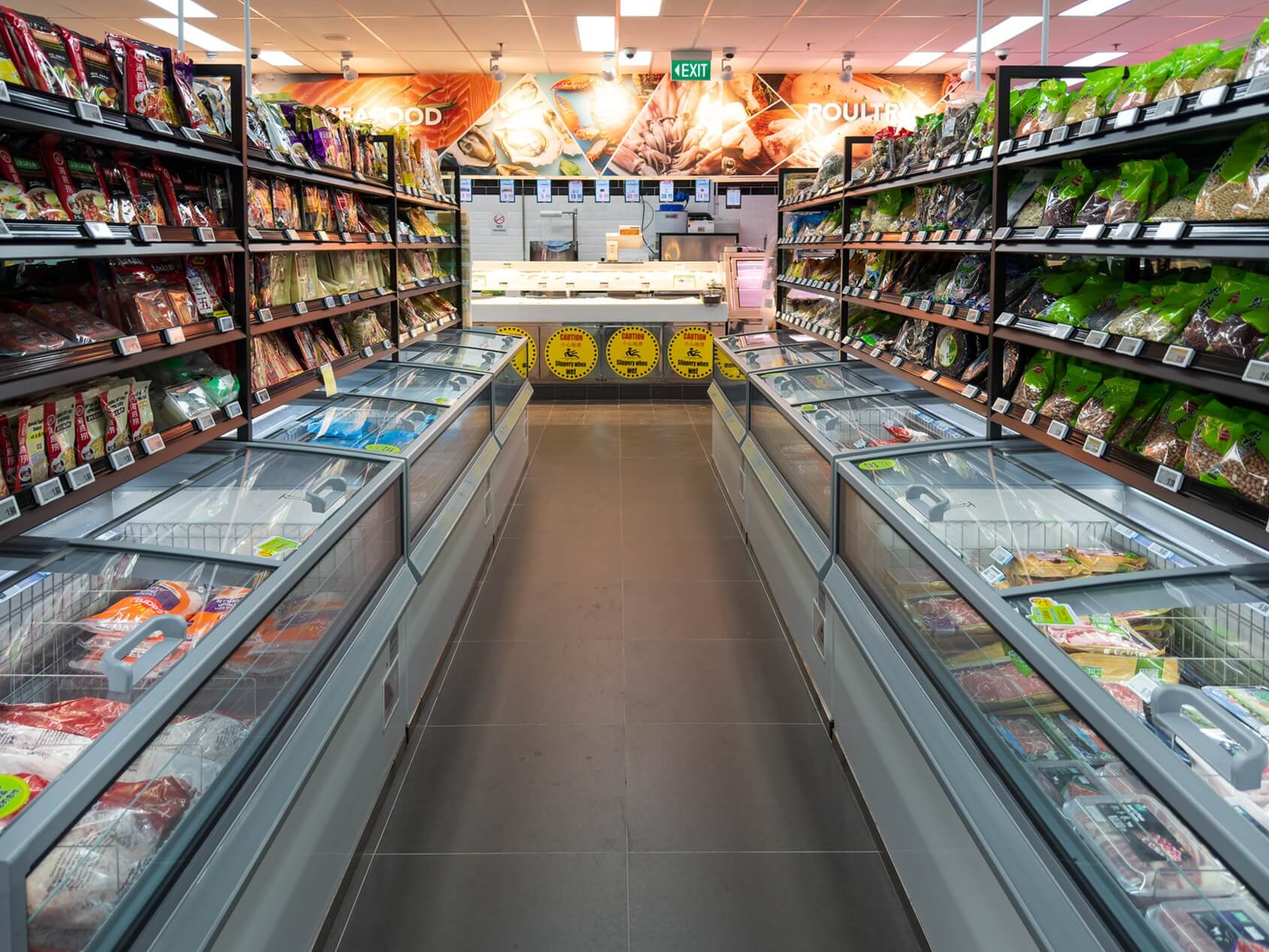
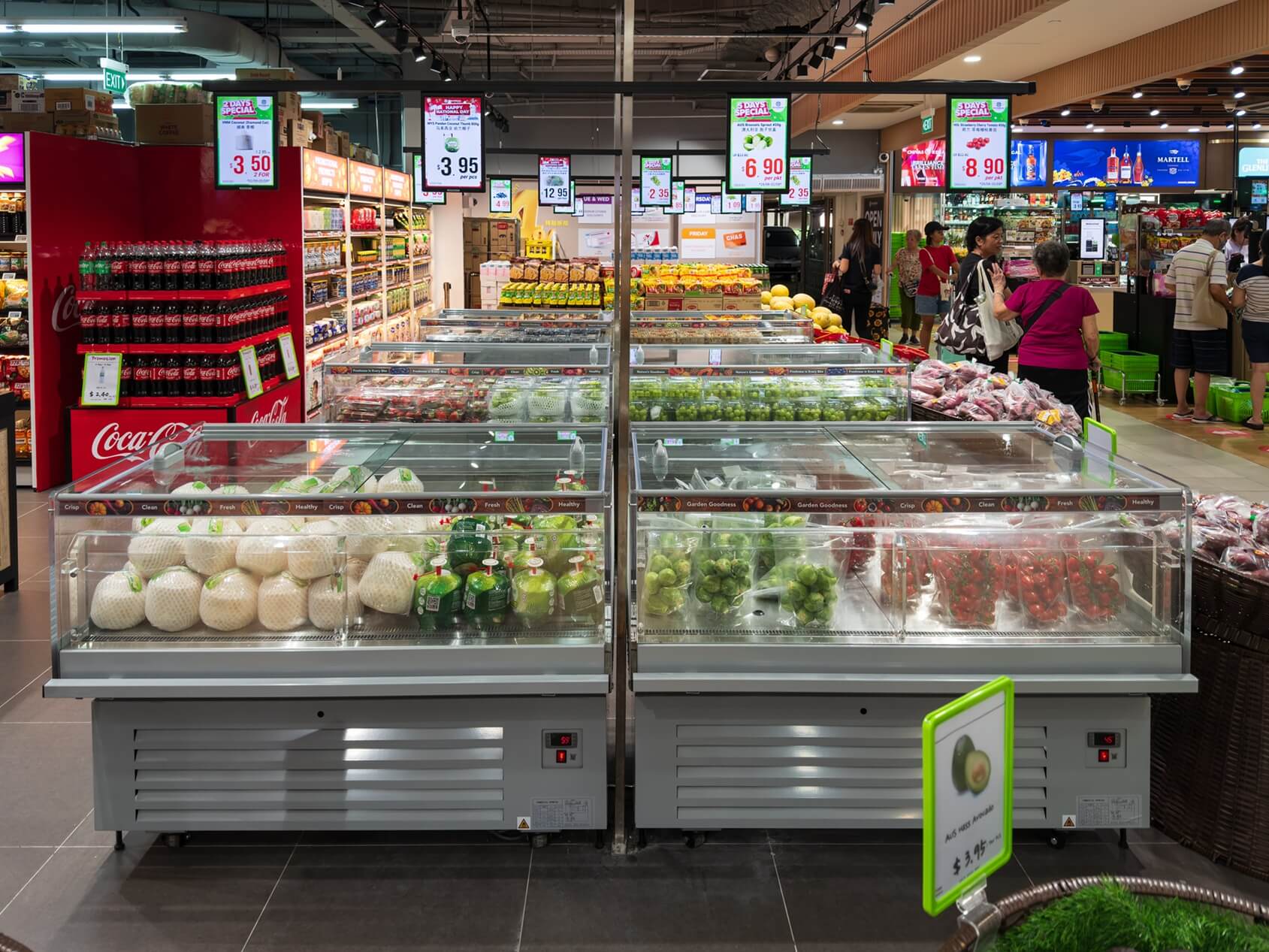
Display fridges can help stores use wall and floor space for both storage and product presentation. Upright models can hold several shelves of products without occupying excessive floor area.
A beverage display chiller can also create a dedicated drinks section. Customers know where to go when they want something cold, reducing confusion and leaving other shelves available for dry goods.
Not every chilled product requires the same display arrangement. Store owners should consider what they plan to stock before choosing a fridge.
Drinks need shelves that can support bottles and cans. Dairy products may require a different shelf layout, while ready meals and packaged food may need wider spaces.
Stores should consider:
The right setup can make daily tasks easier for both staff and customers.
Clean presentation matters when a store sells food. Customers notice dirty shelves, marks on glass and untidy products.
Closed display units can help protect chilled goods from dust and unnecessary contact. The doors create a barrier between products and the store environment while keeping the contents visible.
Staff still need to follow a regular cleaning routine. Shelves, handles, doors, seals and internal surfaces require consistent care. A clean glass-door display refrigerator can make the entire chilled section look more inviting.
Organisation is equally important. Staff should remove damaged packaging and keep products facing the customer. They should also avoid blocking air circulation inside the unit.
These small actions can create a fridge display that looks well maintained and easy to shop from.
Cold drinks are an important part of many supermarkets and mini marts. Customers may purchase them with meals, snacks or during a quick visit.
A beverage display chiller gives drinks a dedicated space in the store. Bottles and cans remain together instead of being spread across different shelves.
Stores can divide the fridge into simple categories. Water can occupy one section, juice another and soft drinks another. Clear groupings help shoppers find what they want more quickly.
The glass front also allows customers to view the range before opening the door. This may reduce the time the door remains open and make the drinks section easier to browse.
Good store equipment should support the people who use it every day. Display fridges can simplify several routine tasks.
Staff can view stock through the glass doors. They can identify empty shelves, arrange products and plan restocking with less guesswork. Clearly organised sections can also help new team members learn where products belong.
The benefits can extend across the working day:
When staff can quickly see what needs attention, they can spend more time assisting customers and keeping the shop organised.
The largest fridge is not always the most suitable option. A mini mart with limited space may need a compact unit with several shelves. A larger supermarket may require multiple display units for different product categories.
Start with the products. Consider what needs refrigeration and how much stock the store usually carries.
Next, assess the available space. Customers and staff need sufficient room to move around the fridge. Doors should open without blocking the aisle.
Shelf design also matters. Adjustable shelves give stores greater flexibility when product sizes change. Strong shelves help support rows of bottles, cartons and packaged food.
For drinks, a beverage display chiller should offer a layout that makes bottles and cans easy to view and reach. The goal is simple: choose a fridge that fits the store rather than forcing the store to adapt around it.
A good chilled section should feel simple and organised. Customers should be able to see the products, understand the layout and reach what they need without confusion.
Display fridges help create this experience. They combine cold storage with product presentation and give stores a clear way to organise chilled goods.
The strongest setup begins with sensible product groupings, clean shelves, clear glass and enough space between items. Staff should also monitor stock levels and remove products that are no longer available for sale.
For supermarkets and mini marts, these steps can turn a basic refrigerated section into a useful part of the store.
Display fridges play an important role in supermarkets and mini marts. They protect chilled goods while giving customers a clear view of what the store offers. They can also support stock checks, product organisation, store layout and faster purchasing decisions.
The best choice depends on the products and the available space. A store that sells dairy food, ready meals, desserts and other chilled items needs a unit that keeps these products organised and easy to reach. Drinks require a setup that presents bottles and cans in clear groups.
When stores plan their chilled section around customer needs, shopping becomes easier. Staff can manage shelves with less effort, while customers can find products without a lengthy search. A well-planned display fridge does not simply hold stock. It helps the chilled section function as an effective part of the entire store.